The machine is installed. The system is up and running. The team has been trained and the supplier has completed delivery. There has been investment, negotiation and months of work. It is natural to feel that the hardest part is behind you.
But the next morning, it has to deliver results. And deliver them again the day after, with quality, controlled costs and customers willing to pay. Buying and installing has an end. Getting a business going takes work every single day.
In Angola, I think we pay too little attention to this difference. A factory that has been set up is production capacity. Turning it into a viable business takes an organisation able to keep working long after the supplier has gone.
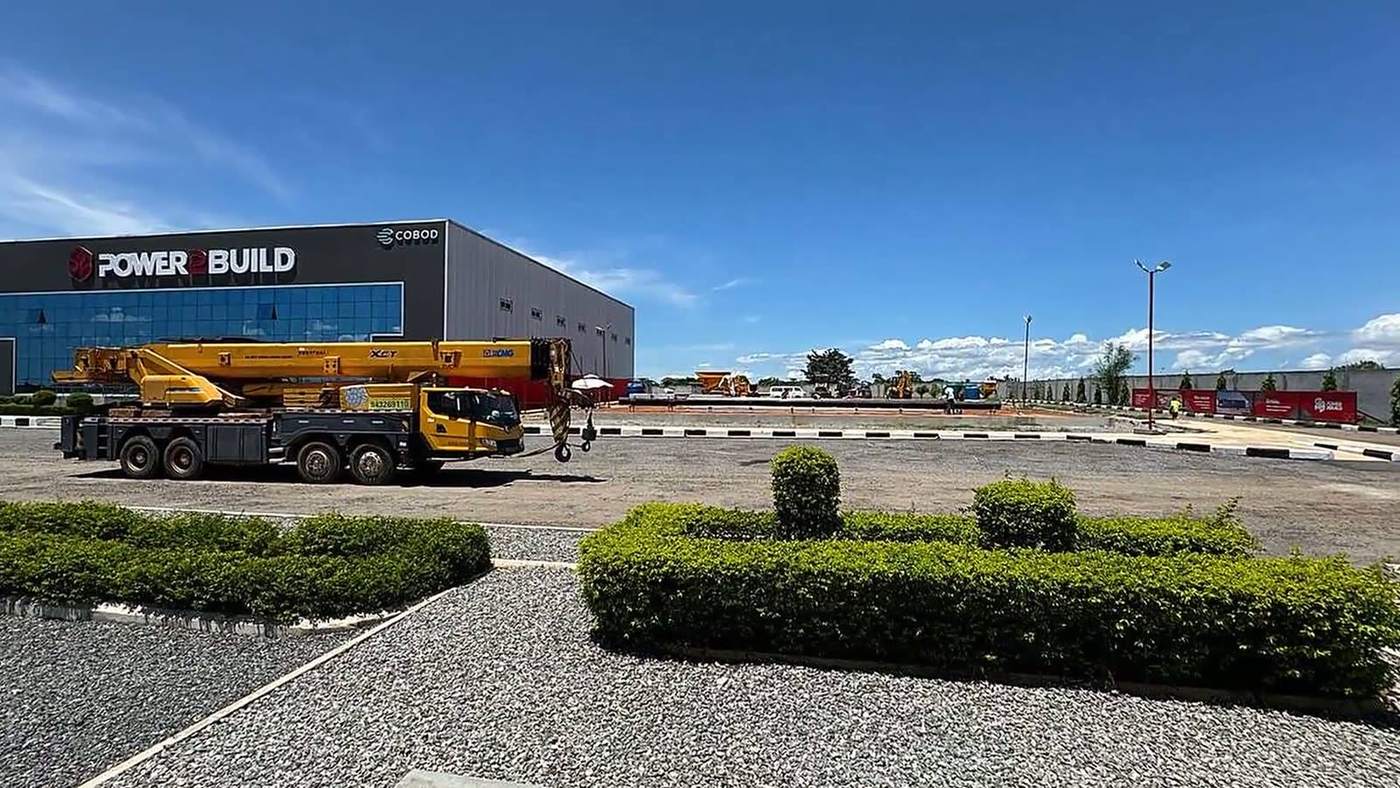
I know this from experience. In 2020, at Power2Build, we bought our first construction 3D printer. Only then did we realise that it relied on specific mortars that were not produced in Angola. Adapting the technology to concrete made from local sand, gravel, water and cement became a project of research and learning.
Several missions of specialists came from the manufacturer and the cement company. There were hours of testing, a great deal of concrete thrown away, early mornings and weekends away from the family. Along the way, a specialist we hired concluded that the material could not behave the way we needed. We kept testing until we managed to print with local materials.
I often say that we do not yet have the maturity to know what we want, or what we need. We learnt this the hard way too. We recognise a problem, but we cannot always translate it into a requirements specification or terms of reference that properly reflect the need. This applies to individuals, to companies and to public administration.
We can end up buying a solution that fulfils the contract and leaves the problem unsolved. We define the equipment, the features and the deadlines, and think less about who will use it, how it will work day to day and who we will sell to.
There is a well-known saying: to someone who only has a hammer, every problem looks like a nail. The risk exists on both sides of the table. Whoever is selling may try to fit the product they have to any business, because they have invested, have salaries to pay and need to invoice.
Whoever is buying also has their hammer: the way they have always worked. They look for new technology but want to keep the old procedures. They may even turn an inefficiency into a requirement, because they can no longer imagine any other way of working.
Before investing, it pays to stop. Understand the problem, question habits and listen to those who know the operation and the market. The choice of technology should come out of that reflection.
After the purchase, the demands change in nature. Procedures that seemed clear during training are put to the test on the first real day. Teams have to be organised, costs controlled, faults fixed and deadlines met.
In a factory, production has to go out into the street, be sold, delivered and paid for. A full warehouse can be a sign of efficient production and, at the same time, of a business in trouble. In technology, every real use reveals needs that the demonstration did not show.
At Power2Build, we had solved a fundamental technical difficulty. What remained was to turn that capability into a commercial activity.
In my first essay, I wrote about my preference for building first and selling later. I still think that way. But building does not excuse you from selling: finding customers, understanding their priorities and earning their trust.
A solution can work and still not justify a customer's decision to buy. They need to understand how much they save, what improves, what risks they take on and who will answer when there is a problem. Demonstrating the technology is only one part of that conversation.
That commercial work does not end with the first contract. It means following up proposals, accepting rejections, understanding the reasons behind them and adjusting the offer without promising what we cannot deliver. At the same time, we need to know how much it costs to serve each customer and whether the price sustains the company.
Capability is built in the routine. A team learns to anticipate a fault, improves a procedure, reduces waste. These are barely visible gains, but they make the operation more consistent. Initial training is only the starting point. Judgement comes from supervised experience, and it is up to leadership to give that learning time and resources.
When all the knowledge stays with the seller, the buyer remains dependent on them to solve problems and make changes. When it is shared and developed, the effects can reach beyond the company itself.
At Valleysoft, where I worked from 2004 to 2010, several technicians who joined as juniors now run their own companies selling networking equipment and services. At 3GS, a technician who started with us on a project at the Ministry of Commerce has also founded his own, in the same field. To me, that is not losing people. It is proof that they learnt.
For Angola, the question goes beyond any single contract. Every project is an opportunity to develop professionals, improve processes and build up knowledge. When that learning stays in the country and is passed on to others, the investment keeps producing value long after the solution that gave rise to it.
Making money is necessary to pay salaries, invest and carry on. But I want to build companies where people also grow, and come out of every project more capable and more autonomous.
Buying and installing has a completion date. Building a company means going back to work the next day, finding customers, keeping promises and improving what still falls short. When that effort sustains the business and develops people, we are also building the country.